
Nutritionist Tips for Visual Clarity
Discover evidence-based nutritional strategies to support optimal eye function and visual performance. Our editorial team explores the science of nutrition and its profound connection to clear, healthy vision.
The information on this site is for educational purposes only and does not constitute medical advice. Always consult a qualified healthcare professional before making health decisions.
Crystal Clear Vision
Nutritional science shows that specific vitamins and antioxidants directly support retinal health and visual acuity throughout life.
Science-Based Nutrition
Our articles examine peer-reviewed research on lutein, zeaxanthin, omega-3s, and other nutrients essential for eye wellness.
Whole-Body Health
Nutrient-rich diets benefit not just your eyes, but overall circulation, brain function, and long-term vitality.
Five Pillars of Visual Nutrition
Our editorial framework for understanding how food impacts eye health and visual performance.
Antioxidant Foundation
Discover which fruits, vegetables, and whole foods contain the highest concentrations of protective antioxidants like vitamins C and E, beta-carotene, and polyphenols.
Omega-3 Integration
Learn how fatty fish, flaxseeds, and algae-based supplements provide docosahexaenoic acid (DHA) and eicosapentaenoic acid (EPA) to support retinal structure and function.
Macular Pigment Support
Explore the role of lutein and zeaxanthin from leafy greens and cruciferous vegetables in protecting the central vision zone.
Hydration & Circulation
Understand how proper water intake, B vitamins, and minerals like zinc optimize blood flow to the eyes and maintain lens clarity.
Meal Planning for Vision
Practical dietary strategies and daily meal ideas that naturally incorporate all essential nutrients for lifelong eye health.
Tracking Progress
Monitor how dietary changes correlate with improved visual comfort, reduced eye strain, and enhanced clarity over weeks and months.
Six Key Features of Visual Nutrition
Comprehensive overview of the nutritional elements that support optimal eye function and vision clarity.
Carotenoid Richness
Lutein, zeaxanthin, and beta-carotene are powerful plant pigments that accumulate in the macula, the area responsible for sharp central vision. These compounds filter harmful blue light and neutralize free radicals.
- Leafy greens (spinach, kale, collards)
- Orange and yellow vegetables
- Egg yolks (bioavailable sources)
Omega-3 Fatty Acids
DHA and EPA are structural components of the retina and support healthy tear film production. They reduce inflammation and improve blood circulation to eye tissues.
- Wild-caught salmon and mackerel
- Sardines and anchovies
- Algae supplements for vegans
Antioxidant Defense
Vitamins C and E, along with minerals like zinc and selenium, protect eye cells from oxidative stress and support the natural repair mechanisms of the lens and retina.
- Citrus fruits and berries
- Nuts, seeds, and whole grains
- Dark chocolate and tea
Blue Light Filtering
Anthocyanins from purple and blue foods, combined with carotenoids, help reduce digital eye strain by filtering blue light from screens and supporting eye comfort during extended focus.
- Blueberries, bilberries, and blackcurrants
- Purple grapes and acai berries
- Dark leafy greens
Micronutrient Synergy
Nutrients work synergistically—vitamins enhance mineral absorption, and fat-soluble vitamins require dietary fat for optimal assimilation. Whole-food combinations are more effective than isolated supplements.
- Vegetables with olive oil
- Nuts paired with leafy greens
- Fish with colorful side dishes
Long-Term Vision Wellness
Consistent nutritional practices over months and years support sustained eye health, reduce risk of age-related changes, and maintain visual clarity throughout life.
- Lifelong dietary habits matter most
- Early intervention prevents decline
- Personalized nutritional plans
Nutritional Impact on Visual Clarity
Case studies and educational examples showing how dietary choices affect eye comfort, focus, and visual performance.

Digital Eye Strain Reduction
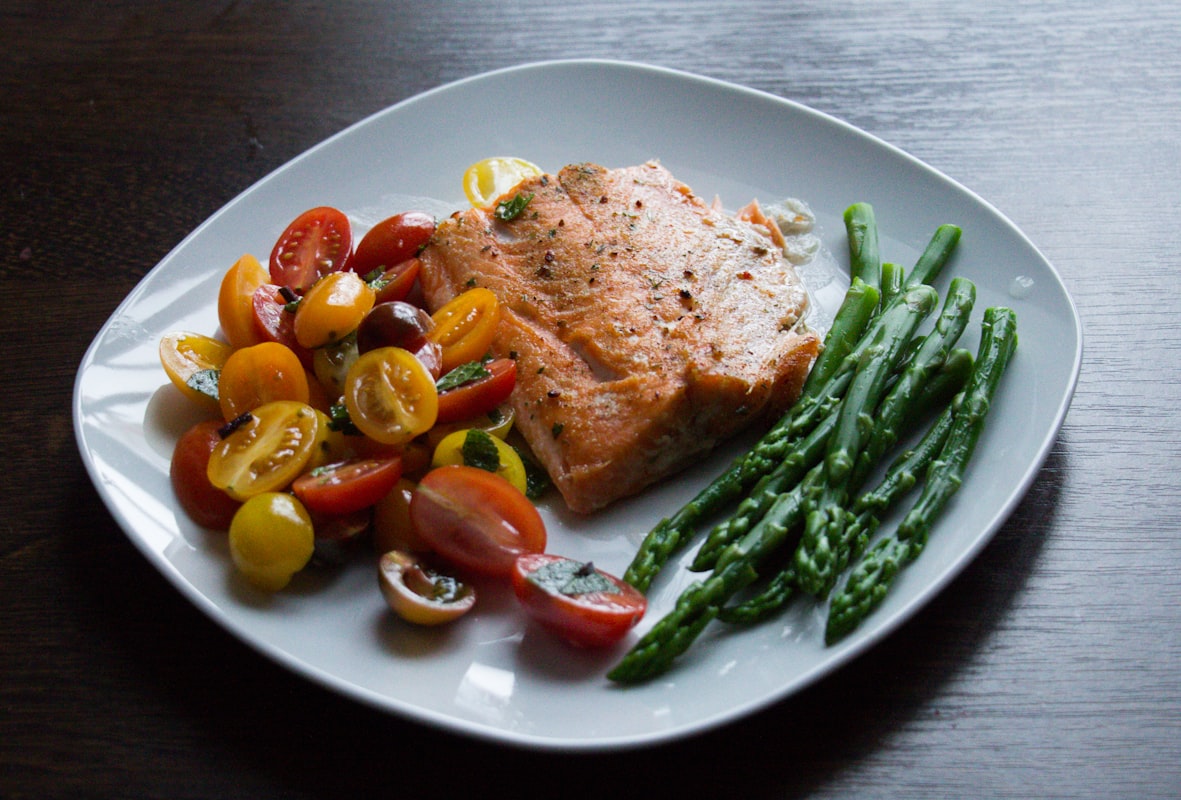
Introduction of antioxidant-rich foods and omega-3 supplements led to reduced screen fatigue, improved tear film stability, and better visual comfort during extended work sessions.
Key Changes: Wild salmon, blueberries, spinach, walnut snacks
Timeline: 8-12 weeks for noticeable improvement
Enhanced Contrast Sensitivity
Consistent daily intake of lutein-rich leafy greens and zeaxanthin-containing vegetables improved contrast perception, making reading and fine visual tasks clearer and more effortless.
Key Changes: Kale, spinach, collards, egg yolks daily
Timeline: 3-6 months for significant clarity gains

Reduced Nighttime Glare
Higher bioflavonoid intake from colorful vegetables and fruits enhanced macular pigment density, significantly reducing sensitivity to headlight glare and improving nighttime driving comfort.
Key Changes: Purple grapes, dark chocolate, sweet potatoes
Timeline: 4-8 weeks for noticeable difference

Visual Endurance & Sustained Focus
Balanced micronutrient intake combined with proper hydration extended the time before eye fatigue set in, enabling longer periods of comfortable reading and screen work throughout the day.
Key Changes: Increased water, B vitamins, fish oils, antioxidants
Timeline: 6-10 weeks for sustained improvement
Deep Dive into Visual Nutrient Tracking
Understanding which nutrients your eyes actually need—and how to measure your daily intake—is the foundation of a vision-supporting diet. Our editorial framework guides you through the science of nutritional tracking without obsessive counting.
Carotenoid Content Tables
Learn exactly which vegetables and fruits contain the highest levels of lutein and zeaxanthin, with practical serving sizes for daily targets.
Omega-3 Source Ranking
Compare fish, seeds, and supplements side-by-side to find the richest sources of DHA and EPA for your dietary preferences.
Antioxidant Scoring System
Understand ORAC (Oxygen Radical Absorbance Capacity) values and which colorful foods deliver the most antioxidant protection per serving.
Micronutrient Interaction Charts
Discover which nutrient combinations enhance absorption and which to avoid pairing, backed by nutritional science.
Frequently Asked Questions
Common questions about nutrition and visual clarity, answered by our editorial team.
Most people notice improvements in eye comfort and reduced strain within 4-8 weeks of consistent nutritional changes. Enhanced contrast sensitivity and visual acuity typically develop over 8-16 weeks. Long-term benefits, including sustained macular pigment density and reduced risk of age-related changes, accumulate over months and years. Individual results vary based on baseline nutrition, genetics, and lifestyle factors.
What Our Clients Say
"After following the Hipvitalusal nutrition plan for 3 months, my eye strain has completely disappeared. I can work at my computer all day without fatigue!"
Sarah M.
Digital Marketing Professional
"The personalized meal plans are easy to follow and delicious. My optometrist was amazed at how much my vision clarity improved!"
James T.
Software Engineer
"I was skeptical about nutrition affecting my dry eyes, but this program has been a game-changer. No more discomfort!"
Patricia L.
Healthcare Administrator
Ready to Transform Your Vision?
Start your journey to healthier eyes today with Hipvitalusal's science-backed nutrition programs.
No credit card required. Start your free assessment today.